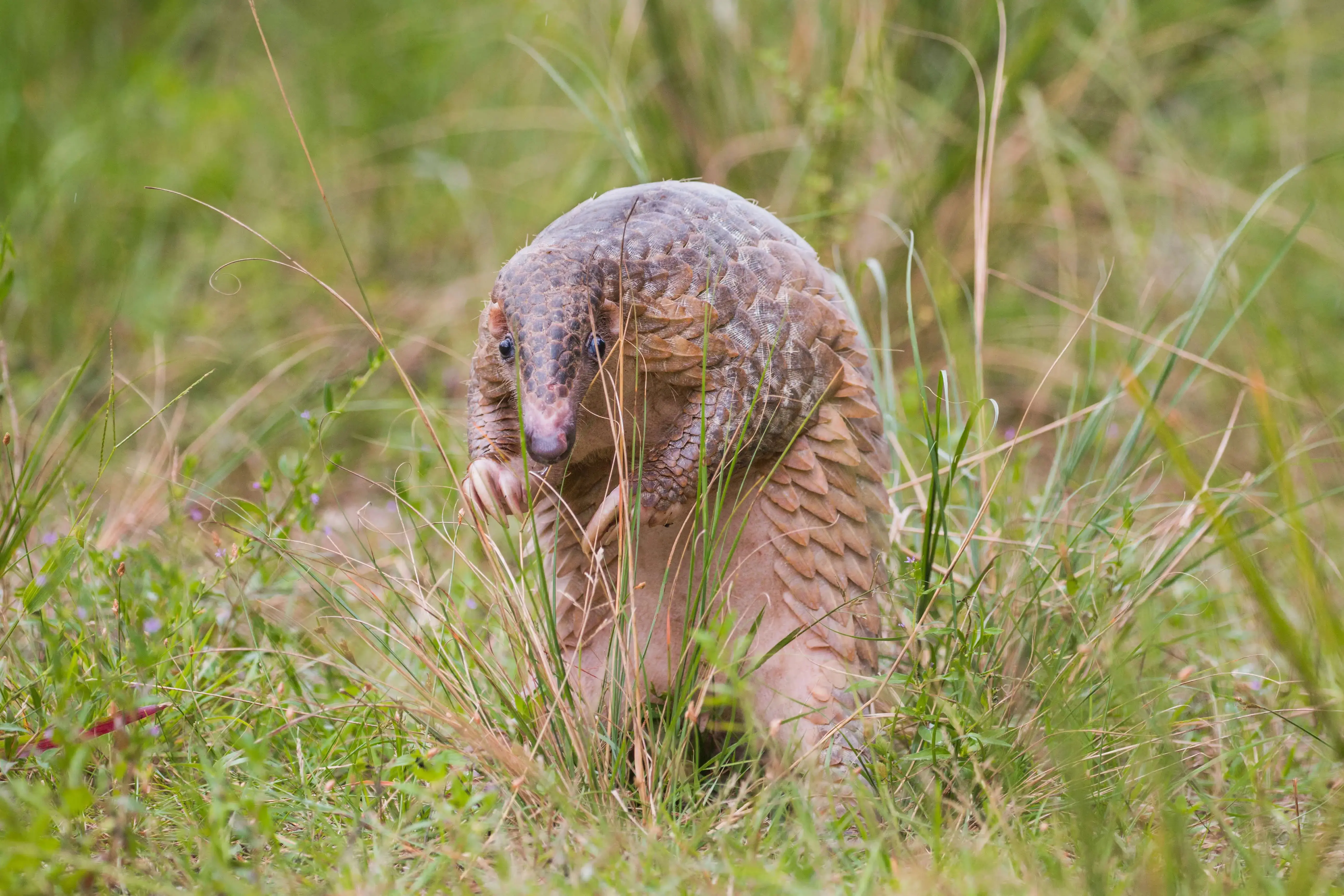
Sunda pangolin
Manis javanicaA shy, scale-covered mammal recorded in the study area — Singapore is a stronghold for the species, and one of its most threatened animals.
Photo: Max Khoo.
The Forest
Maju Forest is under threat by proposed deforestation. 15 of its 23 hectares are proposed to make way for public housing. The Environmental Impact Assessment has already highlighted the forest's ecological value — including that it is home to endangered species such as the Sunda pangolin.
What has not been adequately accounted for are the human, climate and social impacts of deforestation: how losing Maju Forest leaves us more vulnerable to heat stress, worsens already congested traffic, and deprives future generations of untouched patches of nature.
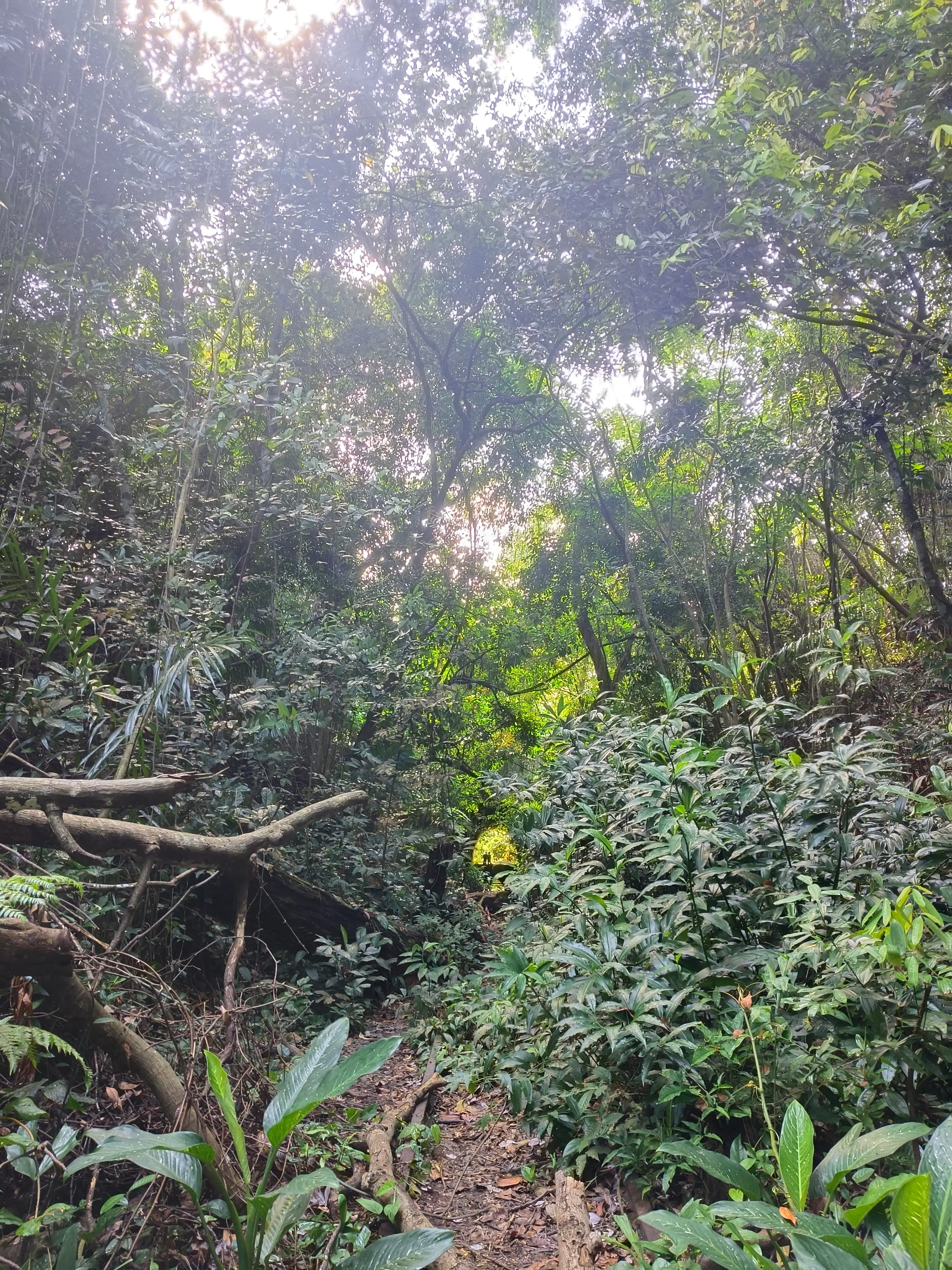
This is home. As we build for tomorrow, may we also have the wisdom to preserve some of the green that has been here all along.
More than a patch of green
Maju matters for what it links together. It lies along the Old Jurong Railway Corridor, connecting Maju to Clementi Forest and onward to the Bukit Batok forests, Bukit Timah Nature Reserve and the Central Catchment — and to Toh Tuck Forest in the west. That connectivity lets plants and animals move and disperse across the landscape; sever it, and the surrounding forests are diminished too.
By the numbers
"The native-dominated secondary forest, abandoned-land forest and all waterbodies present within Maju Forest are regarded as high ecological value."
Who lives here
The 2022 Cross Island Line EIA recorded 130 animal species and 305 plant species at Maju — 52.8% of the flora native, with 47 plants and 10 animals of national conservation significance. These are a few of them. Once cleared, this can't be recreated.
A shy, scale-covered mammal recorded in the study area — Singapore is a stronghold for the species, and one of its most threatened animals.
Photo: Max Khoo.
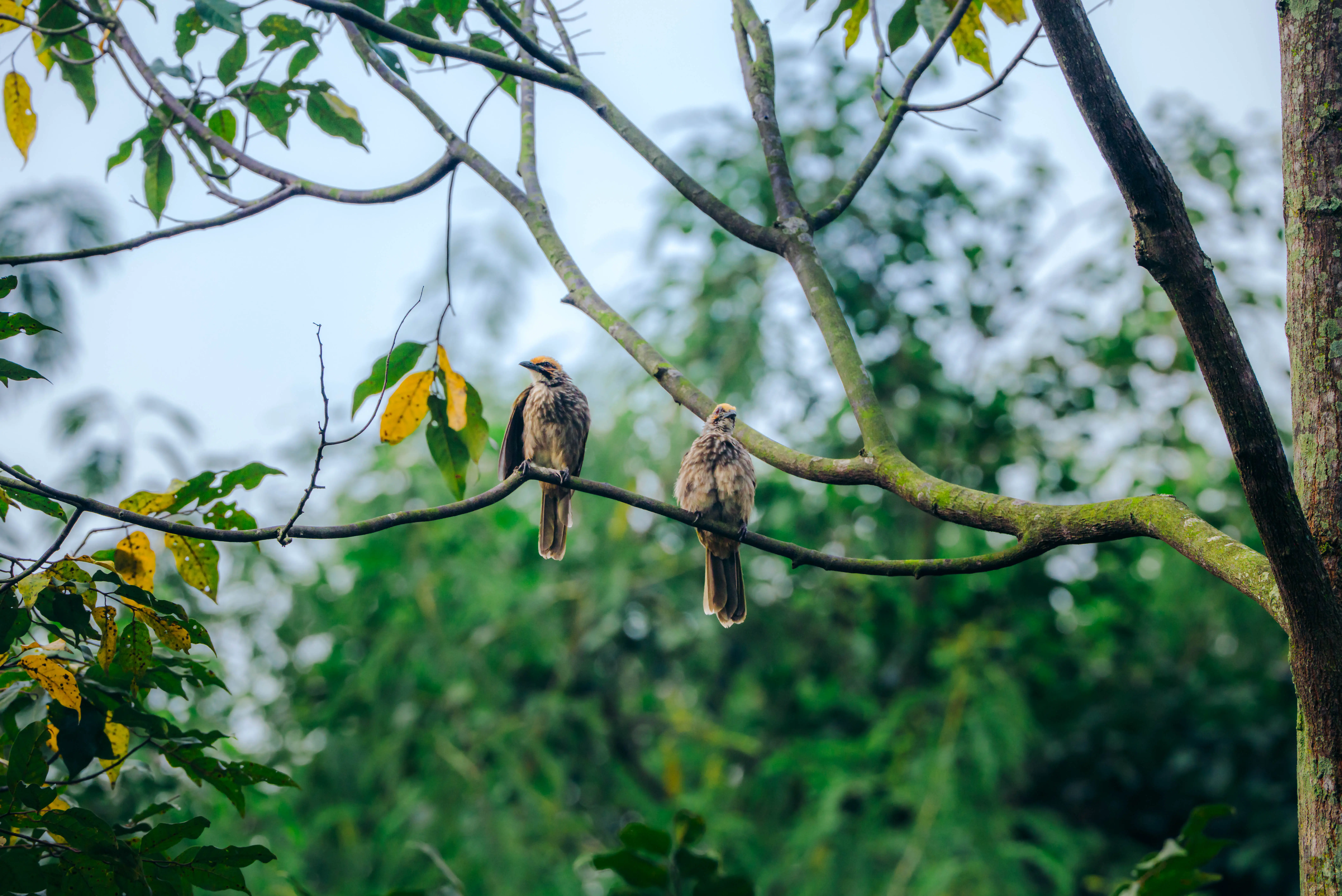
A songbird driven to the brink globally by the wildlife trade. Singapore is one of its last strongholds, and the EIA recorded it at Maju.
Photographed at Maju by Safiah and Cedric (4one.sg).
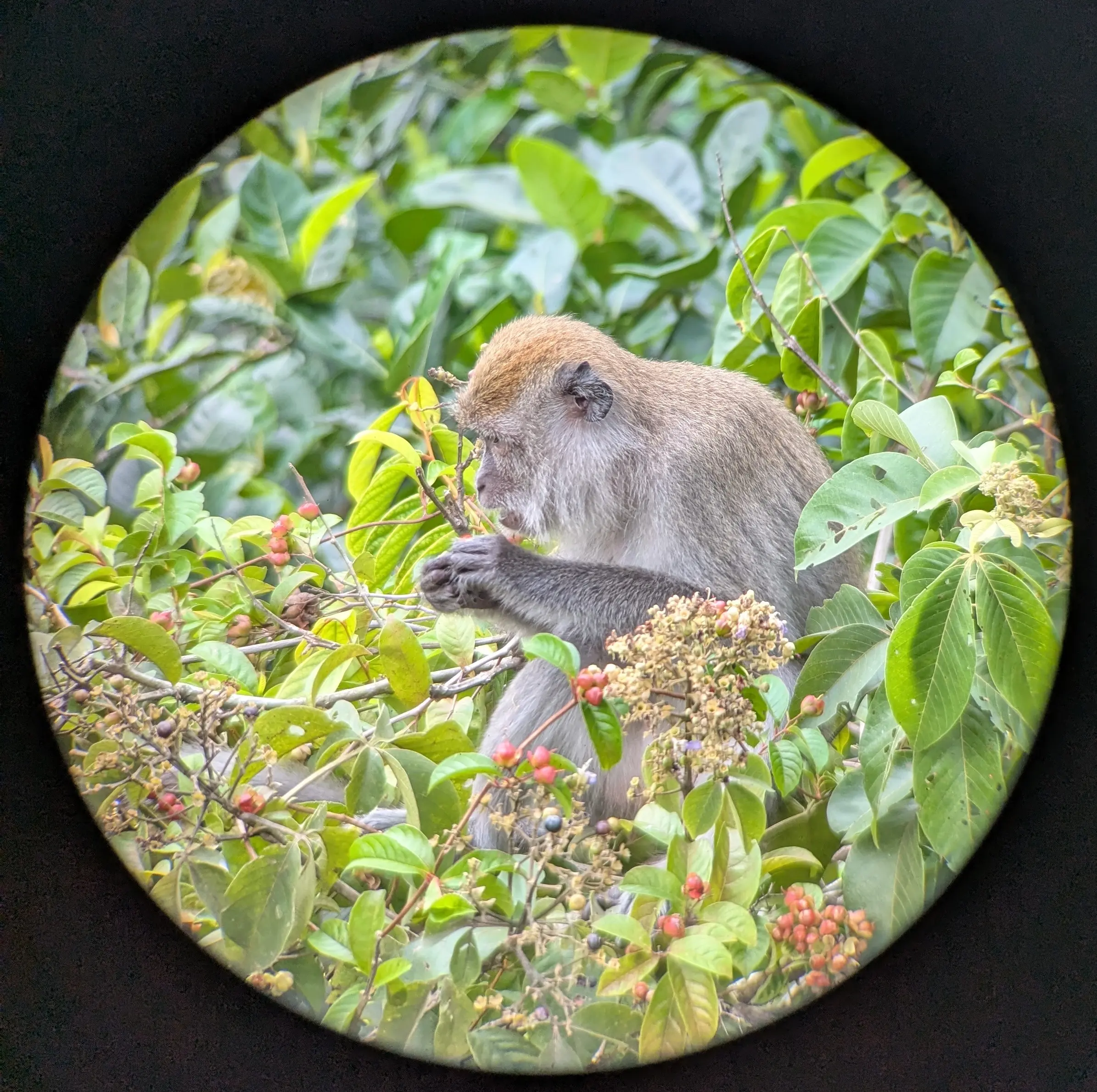
A familiar face in Singapore's forests — yet globally Endangered on the IUCN Red List. Maju's troop forages the forest's fruiting trees.
Spotted at Maju through a resident's scope.
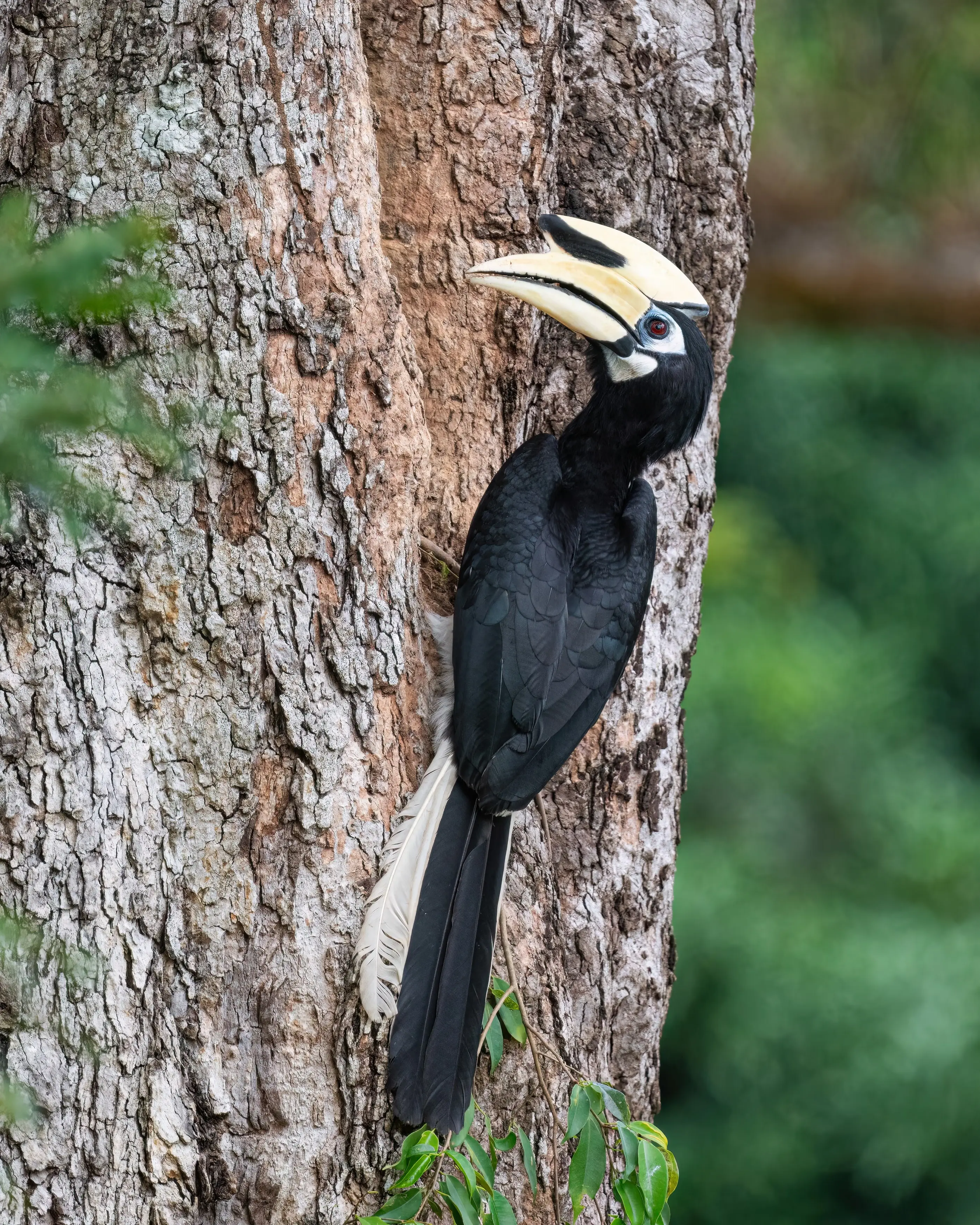
Once locally extinct, the hornbill has returned to Singapore's forests — but it depends on large, old trees with cavities to nest. Maju's mature canopy is exactly the kind of home it needs.
Photo: Bryan Lim.
A forest-dependent, restricted-range bat — its presence shows how the study area supports local wildlife that can't live just anywhere.
A forest stream frog found at Maju's ephemeral waterbodies along the Old Jurong Railway Corridor — an uncommon, forest-dependent species.
One of the butterflies of conservation significance recorded here — the EIA found the animal assemblage dominated by birds and butterflies.
Only species documented in the campaign's sources and government studies are listed. More will be added as they're confirmed.
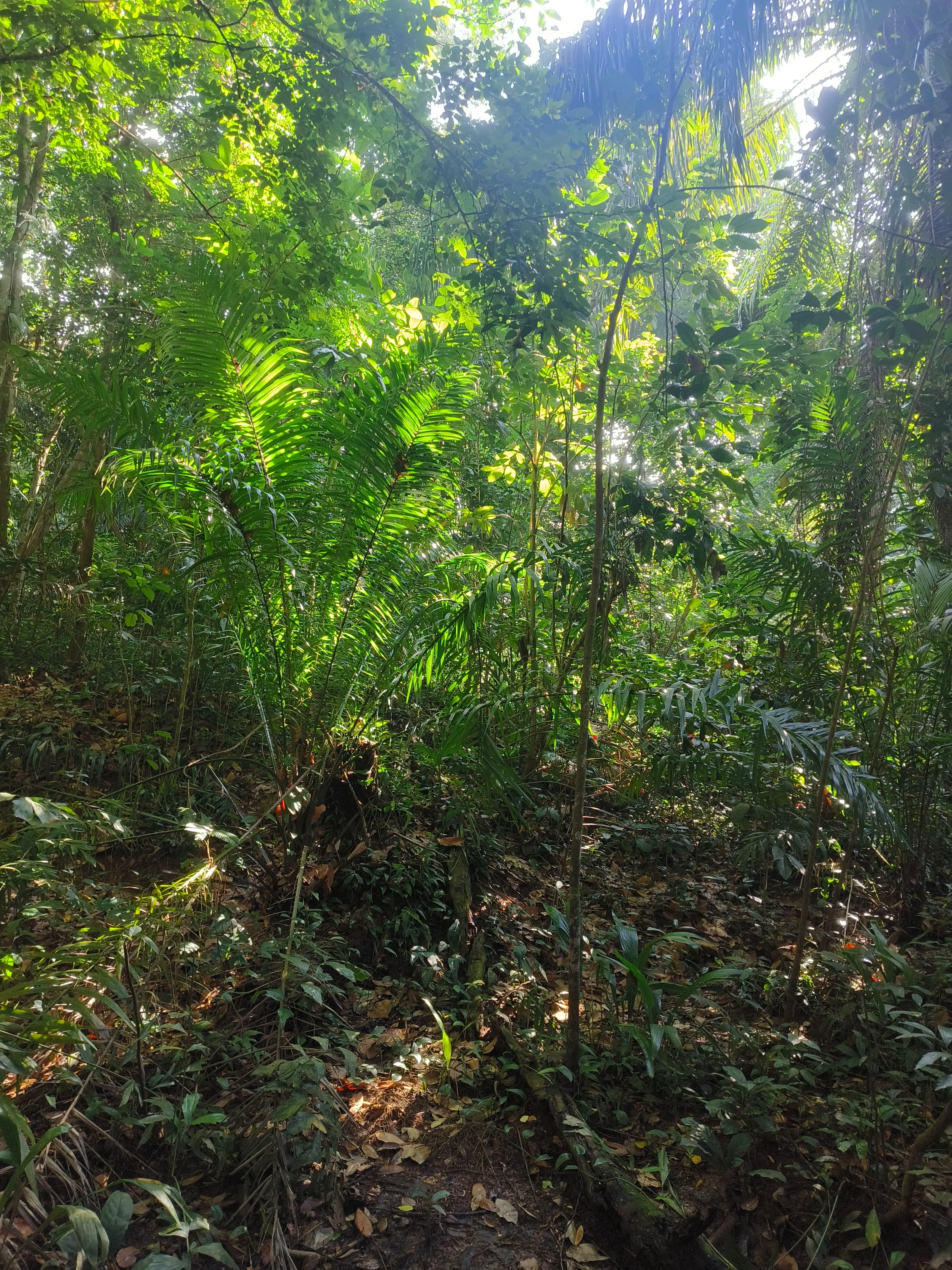
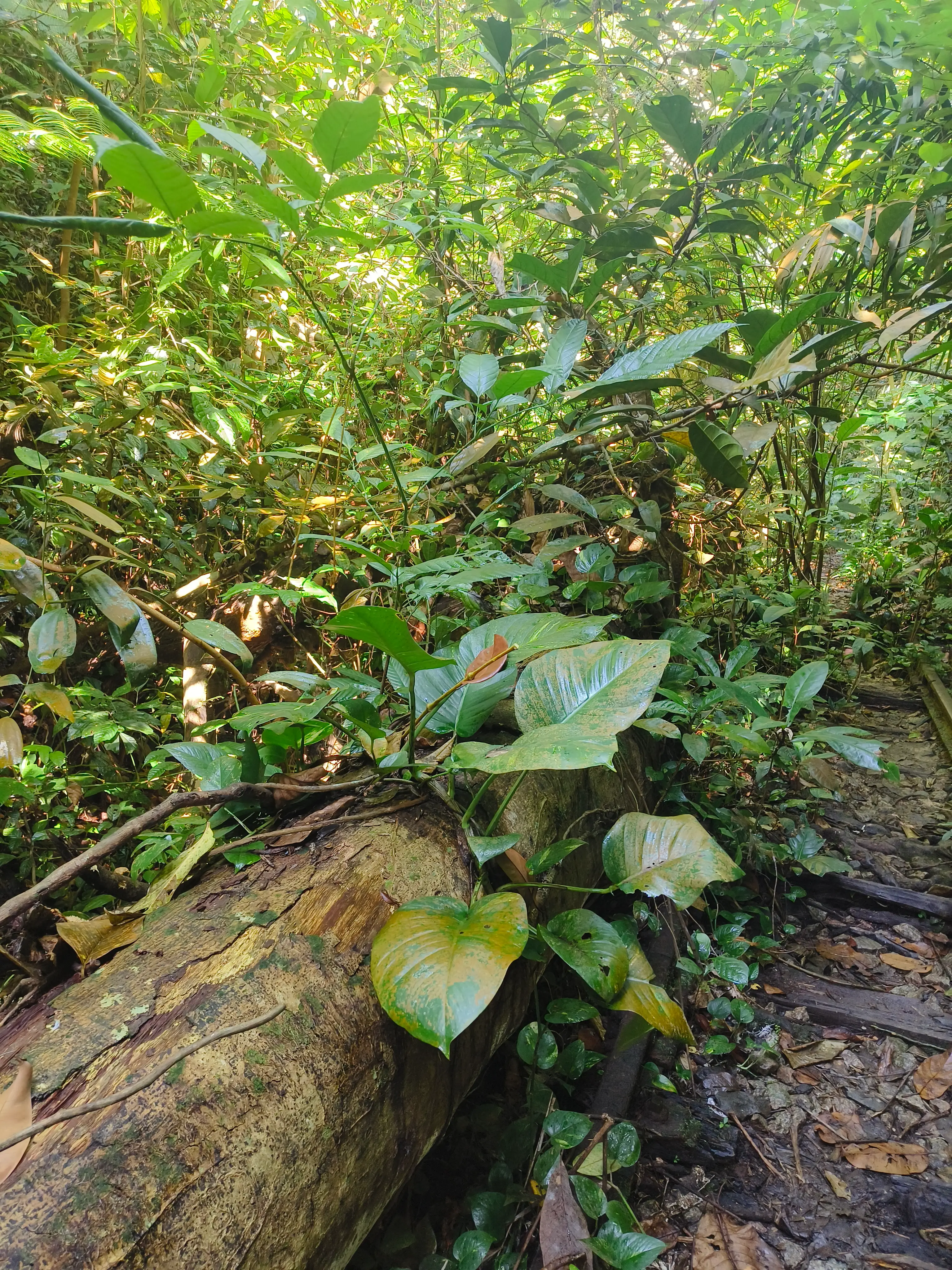
This is what's on the table.
Decades of growth. Habitat for Critically Endangered species. Cooling, heritage and quiet for the people nearby — 15 of its 23 hectares.